


Table of Contents
| Quick answer |
|---|
| The best AI citation analysis tools for AI optimization 2025 are Ahrefs Brand Radar and AthenaHQ, because both name the URL a model actually cited. Qwairy from about €79 (about $89) and Gauge from $99 are cheaper starting points. Buy on source-level detail, not on how many mentions a dashboard counts. |
How this comparison works: tools are judged on whether they identify the source page behind a mention, on engine coverage, and on published price. Figures were checked against vendor pages and review round-ups in September 2026. Where a vendor does not publish pricing, that is stated rather than estimated.
Citation analysis is not mention tracking
Most tools sold as citation analysis only tell you that your brand was named. That is a mention count. Citation analysis answers the harder question: which page did the model read to say it?
The difference is the whole value. “You appeared in 34 percent of answers” is a number for a slide. “This answer cited a three-year-old Reddit thread and a competitor’s comparison page” is a task list. Only a minority of tools produce the second kind of output, and it is worth paying more for. It is also why an AI visibility dashboard can look healthy while nothing about your traffic changes.
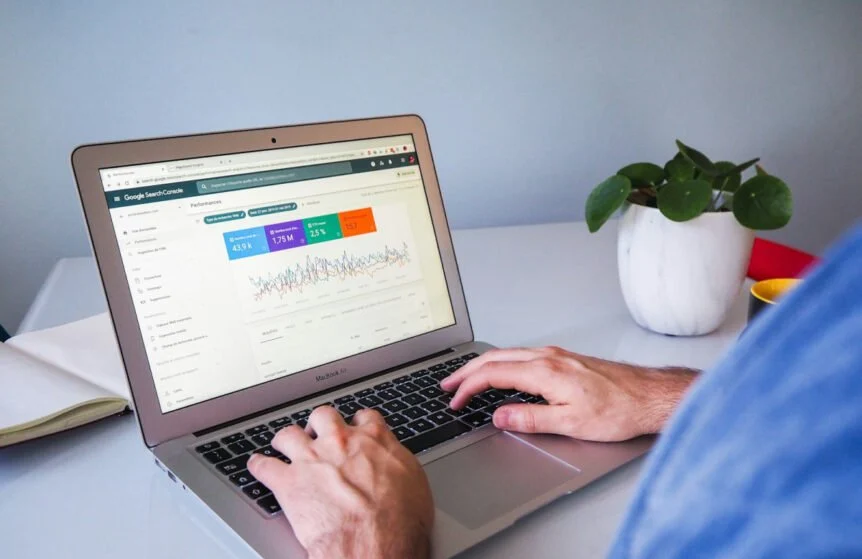
Best AI citation analysis tools for AI optimization 2025 compared
| Tool | Entry price | Engines on entry tier | Names the source URL | Free option |
|---|---|---|---|---|
| Otterly.AI | $29/mo | Four, 15 prompts | Limited | No free plan reported |
| Qwairy | from ~€79 (about $89)/mo | Wide, up to ten engines | Yes | Demo only |
| Gauge | $99/mo Starter | ChatGPT only, 100 prompts | Yes | Demo only |
| Profound | $99/mo Starter | ChatGPT only | Partly | Free trial on Growth |
| AthenaHQ | $295/mo Starter; free tier | Broad | Yes, source intelligence | Demo only |
| Ahrefs Brand Radar | $129 base plus indexes | Six; Brand Radar AI from $199/mo | Yes, plus Reddit and video | Limited free view |
The pricing that catches people out
Two of these are priced per engine, and that changes the ranking completely. Ahrefs Brand Radar looks like a $129 add-on until you read the AI pricing: Ahrefs lists Brand Radar AI from $199 a month on top of the base plan, and trackers report per-platform indexes at $199 or $699 for all six — which would put full coverage near $828 a month.
Gauge goes the other way. Starter is $99 but covers ChatGPT alone with 100 prompts. Growth at $599 runs 600 prompts across six platforms every day — around 108,000 answers a month, which works out near half a cent per answer and is the best unit economics in this table. Profound’s Starter tier is similarly ChatGPT-only at roughly $99, with three engines at around $399.
So compare cost per engine per prompt, not headline price. On that basis Otterly at $29 for four engines is the cheapest way to find out whether you need any of this, and Gauge Growth is the cheapest at volume.
The six tools, one by one
Qwairy
Qwairy is a generative engine optimisation platform with an unusually wide engine set — ChatGPT, Claude, Perplexity, Gemini, Copilot, Grok, Google AI Overviews, Mistral and DeepSeek among ten-plus. Its pricing page lists Starter at €79 (about $89) a month (€65 (about $73) billed annually) for up to 100 prompts, Growth at €199 (about $225) for 300 and Business at €449 (about $507) for 800, with Enterprise quoted.
Profound
Profound’s Starter at roughly $99 per month tracks ChatGPT only; Growth at around $399 covers three engines, with wider coverage on custom enterprise contracts. Goes further into recommendations than pure mention counting.
Gauge
Gauge’s Starter at $99 per month covers ChatGPT only with 100 prompts. Growth at $599 runs 600 prompts across six platforms daily, which is roughly 108,000 answers a month, or about half a cent per answer. Enterprise is quoted. Gauge’s pricing page did not load for us in September 2026, so these figures are carried over from August.
Ahrefs Brand Radar
Ahrefs Brand Radar needs an active Ahrefs plan from $129 per month; Ahrefs lists Brand Radar AI from $199 a month, and trackers report per-platform indexes at $199 or $699 for all six, putting a full configuration between roughly $828 and $1,148 a month. It tracks six platforms and also follows Reddit and video visibility.
AthenaHQ
AthenaHQ lists Starter at $295 a month for 3,600 credits, with a free Essential tier of 300 credits and quoted Enterprise pricing. It is built around source intelligence: which specific URLs an engine draws on for a given prompt. That is citation analysis in the literal sense rather than mention counting.
Otterly.AI
Otterly.AI is the cheapest way to start at $29 per month for 15 prompts across ChatGPT, Google AI Overviews, Perplexity and Copilot. Lighter on source-level detail than the tools above, but enough to establish whether you have a citation problem at all.
What to do with citation tracking data
- Sort cited URLs by owner. Your domain, a competitor, or a third party. The third-party column is usually the biggest and the most ignored.
- Read the pages that beat you. Not to copy them — to see which specific question they answer in a form that can be lifted out.
- Fix your closest near-miss first. A page already cited on two prompts out of ten is cheaper to improve than a page cited on none.
- Track the same prompt set for a quarter. Changing prompts mid-quarter destroys the only trend line you have.
- Separate mention from citation. Being named builds awareness; being linked sends traffic. They move independently and need separate targets.
One practical wrinkle worth flagging before you buy: Cloudflare and similar bot protection means some of these vendor pricing pages return an error to automated link checkers even though the page loads fine in a browser. Confirm any price on the live page yourself before budgeting against a figure this article or any competitor round-up quotes — pricing pages in this category change often enough that a number checked in August can be stale by the following quarter.
The limit of every tool here
None of these platforms changes a page, and a large share of the citations they report will point at domains you do not control — forums, review sites, round-ups. That part of AI optimization is outreach and accuracy work on other people’s pages, and no subscription automates it.
For the wider category see AI search monitoring tools and answer engine optimization tools. For the page-side work these tools measure, generative engine optimization and how to rank in ChatGPT cover what actually has to change.
Frequently Asked Questions
What are the best AI citation analysis tools for AI optimization?
Ahrefs Brand Radar and AthenaHQ are the strongest for genuine citation analysis, because both name the URL a model drew on. Qwairy from about €79 (about $89) and Gauge from $99 are cheaper entry points, and Otterly at $29 is enough to find out whether you have a problem. Profound suits enterprise programmes. Judge on source-level output, not mention counts.
How do you measure share of voice inside an AI Overview?
Fix a prompt set, run each prompt several times in clean sessions, and count how often your brand is named against a fixed list of competitors on the same prompts. Share of voice is your mentions divided by all brand mentions across that set. Run every prompt at least three times: answers vary on identical input, so a single run cannot separate a real absence from noise.
Can AI citation analysis tools show which sources an AI engine cites for a competitor?
Yes, and this is the feature that separates real citation analysis from mention tracking. Ahrefs Brand Radar shows which URL a model pulled a mention from — your own site, a Reddit thread, a review round-up or a competitor’s blog. AthenaHQ is built around the same idea. Tools that only report “brand named: yes” leave you guessing at the page that earned it.
What is a good AI share of voice benchmark?
There is no credible published cross-industry benchmark, and any single number quoted as one should be treated with suspicion — the figure depends entirely on how many brands compete on the prompt set. Benchmark against yourself and a fixed competitor list instead: record a baseline, keep the prompt set frozen for a quarter, and judge the direction of travel rather than the absolute number.
How much do AI citation analysis tools cost?
Otterly starts at $29 a month and Qwairy at €79 (about $89) (€65 (about $73) billed annually), with Gauge and Profound at $99 for a ChatGPT-only entry tier. Gauge Growth is reported at $599 and Profound Growth is $399. AthenaHQ Starter is $295, with a free Essential tier. Ahrefs Brand Radar is the most expensive in practice: a $129 base plan plus Brand Radar AI from $199 a month, with a $699 all-platform bundle reported.
Why do AI answers cite pages you don’t own?
Because engines lean on corroboration. Forum threads, review listings, round-ups and competitor comparison pages are what they read, so most citations in a category point off-site. Sort cited URLs by owner and treat the third-party column as an outreach list — being accurately represented on those pages is the work no subscription does for you.
Conclusion
Start at $29 with Otterly to establish whether AI citations are a real gap for you. If they are, buy the tool that names source URLs rather than the one with the biggest engine list: Ahrefs Brand Radar if you already pay for Ahrefs and can absorb the index pricing, AthenaHQ if you want source intelligence without an existing suite, Gauge Growth if you need volume at a sane unit cost.
Then hold the prompt set still for three months. Almost every complaint about these tools comes down to changing the measurement while trying to measure a change.
